 Ihyaaud Deen An Effort to Revive Deen in Totality

1. It is not permissible to go to the home of a kaafir who has passed away for ta’ziyat while the funeral proceedings are taking place.[1] However, on meeting a kaafir neighbour or any other kaafir who has lost a family member e.g. a child, one may console him in …
user
January, 2018
-
27 January
Duaa after the Shahaadatain of Azaan
One should reply to the words of the azaan, and after replying to the shahaadatain, one should recite the following Duaa: اللَّهُمَّ أَعْطِ مُحَمَّدًا الْوَسِيلَةَ وَالْفَضِيلَةَ، وَاجْعَلْ فِي الْأَعْلَيْنَ دَرَجَتَهُ، وَفِي الْمُصْطَفَيْنَ مَحَبَّتَهُ، وَفِي الْمُقَرَّبِينَ ذِكْرَهُ O Allah, grant Hazrat Muhammad (Sallallahu Alaihi Wasallam) the ‘waseela’ (a lofty stage in Jannah) and ‘Fadheela’(Your …
-
27 January
Hazrat Uthmaan (radhiyallahu ‘anhu) – Part One
Name: Hazrat ‘Uthmaan bin ‘Affaan (radhiyallahu ‘anhu) Birth: Hazrat ‘Uthmaan (radhiyallahu ‘anhu) was born six years after ‘Aam-ul-Feel (the Year of the Elephants i.e. the year in which Abrahah tried to destroy the Ka‘bah Shareef with elephants). (Isaabah 4/377) Kunyah (Filial Title): Hazrat ‘Uthmaan (radhiyallahu ‘anhu) was first given the kunyah …
-
25 January
The Indiscriminate Nature of Death
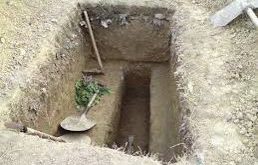
Hazrat Mufti Ebrahim Salejee (Daamat Barakaatuhu) mentioned: Death is not fixed for any class or age of people. It comes indiscriminately; whether to the young or old, ailing or healthy, rich or poor. Man needs to prepare for this moment. This is a sign of his intelligence as is indicated …
-
24 January
The Punishment of being Bridled with Fire
عن ابن عباس رضي الله عنهما قال قال رسول الله صلى الله عليه و سلم من سئل عن علم فكتمه جاء يوم القيامة ملجما بلجام من نار ومن قال في القرآن بغير ما يعلم جاء يوم القيامة ملجما بلجام من نار (الترغيب والترهيب 1/164) Hazrat ibn Abbaas (Radhiyallahu Anhu) reports …
-
23 January
Sunnats and Aadaab of Consoling the Bereaved – Part 2

1. It is permissible to praise the deceased. However, when praising him, ensure that you do not exaggerate or praise him for characteristics that were not found in him. Similarly, do not adopt the styles and ways of the kuffaar in praising him.[1] 2. The period of ta’ziyat is three …
-
18 January
The Noor of the Heart and Commitment to the Sunnat

Hazrat Mufti Ebrahim Salejee (Daamat Barakaatuhu) mentioned: To gain visibility, one requires two types of lights: the light of the eyes and the external light of the sun or a lamp etc. Then only will one be able to clearly see what is before him. With the absence of any …
-
17 January
Concealing the Knowledge of Deen
عن أبي هريرة رضي الله عنه قال قال رسول الله صلى الله عليه و سلم من سئل عن علم فكتمه ألجم يوم القيامة بلجام من نار رواه أبو داود والترمذي وحسنه وابن ماجه وابن حبان في صحيحه والبيهقي ورواه الحاكم بنحوه وقال صحيح على شرط الشيخين ولم يخرجاه وفي رواية …
-
16 January
Sunnats and Aadaab of Consoling the Bereaved – Part 1

Islam is the most comprehensive and perfect way of life which has taken every need of man into consideration. It has not only shown the path of peace during a person’s life, but has also shown how to show love and peace after a person’s demise. Hence, Hazrat Rasulullah (sallallahu ‘alaihi wasallam) had, through his sublime teachings and by way of his blessed example, showed the Ummah how to console and comfort the bereaved who are in distress.
-
3 January
Acknowledging the Favours of Allah Ta‘ala
Hazrat Mufti Ebrahim Salejee (Daamat Barakaatuhu) mentioned: It is the good fortune of man that he acknowledges the favours of Allah Ta‘ala. Whatever we have is from Allah Ta‘ala as He alone is the Controller and the Conferrer. But the moment a person begins to feel that he has acquired …