 Ihyaaud Deen An Effort to Revive Deen in Totality
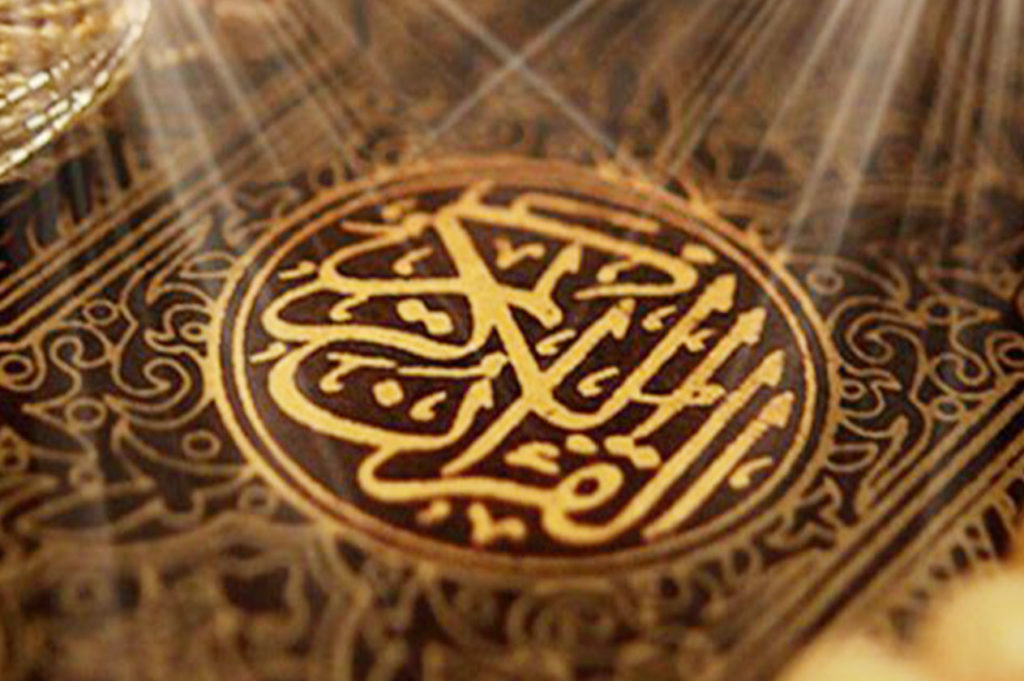
This surah is named Surah Tatfeef (giving short), as the subject matter in this surah deals with giving short in weight and measure.
There is a difference of opinion in regard to when this surah was revealed. According to Hazrat Abdullah bin Mas’ood (radhiyallahu ‘anhu), this surah was revealed prior to the hijrah in Makkah Mukarramah.
According to Hazrat Abdullah bin Abbaas (radhiyallahu ‘anhuma), this surah was revealed after the hijrah in Madinah Munawwarah, besides the last eight verses which were revealed prior to the hijrah in Makkah Mukarramah.
It is also reported from Hazrat Ibnu Abbaas (radhiyallahu ‘anhuma) that this surah was the first surah to be revealed to Rasulullah (sallallahu ‘alaihi wasallam) after he performed hijrah to Madinah Munawwarah.
In regard to the reason for the revelation of this surah, Hazrat Ibnu Abbaas (radihiyallahu ‘anhuma) explained that it was common among the people of Madinah Munawwarah that when they would purchase, they would take their full due of measure (and weight), but when they would sell to others, they would decrease the measure and weight (and cheat the customers). It was then that this surah was revealed. After the revelation of this surah, the people of Madinah Munawwarah totally refrained from this evil practice, so much so that they became renowned as the most honest of people in weighing and measuring. (Tafseer Qurtubi 19/250)
Commentary
وَیۡلٌ لِّلۡمُطَفِّفِیۡنَ ۙ﴿۱﴾ الَّذِیۡنَ اِذَا اکۡتَالُوۡا عَلَی النَّاسِ یَسۡتَوۡفُوۡنَ ۫﴿ۖ۲﴾ وَ اِذَا کَالُوۡہُمۡ اَوۡ وَّزَنُوۡہُمۡ یُخۡسِرُوۡنَ ﴿ؕ۳﴾ اَلَا یَظُنُّ اُولٰٓئِکَ اَنَّہُمۡ مَّبۡعُوۡثُوۡنَ ۙ﴿۴﴾ لِیَوۡمٍ عَظِیۡمٍ ۙ﴿۵﴾ یَّوۡمَ یَقُوۡمُ النَّاسُ لِرَبِّ الۡعٰلَمِیۡنَ ؕ﴿۶﴾
Woe to those who give short (i.e. they give less than the amount due), who when they take a measure from people, they take in full, and when they give by measure or by weight to them, they give less (than due). Do they not think that they will be resurrected on a Great Day (to give an account before Allah Ta‘ala for their deeds), the Day when mankind will stand before the Lord of the worlds?
The word “مطففين” mentioned in this surah is derived from the word “تطفيف” which means “to give short”. In this context, “giving short” refers to giving short in measure and weight, as the people in whose regard these verses were revealed were involved in this wrong practice. The expression “Woe to those who give short” indicates to the evil of this practice and is a prohibition from the side of Shari’ah.
The Broader Meaning of Tatfeef
It should be borne in mind that the Qur’aan Majeed and the Mubaarak Sunnah have prohibited “تطفيف” which primarily signifies giving short in measure and weight, because generally, transactions are carried out on things that can be measured or weighed. However, since the purpose of weighing and measuring items when transacting is to ensure that each party is given his full due, we understand that the broader message conveyed through this surah is that when dealing with people, one should not deceive or cheat them by giving them short, but rather one should give them their full due and what they deserve.
Hence, looking at the broader meaning of the surah, one understands that it is not confined to measure and weight, but also includes all business transactions, contracts, agreements, and all types of dealings with people, whether they relate to worldly or deeni affairs.
Committing Tatfeef Through Not Joining the Congregational Salaah in the Musjid
It is recorded in the Muwatta of Imaam Maalik (rahimahullah) that once, Hazrat Umar (radhiyallahu anhu) left the musjid after performing the asr salaah and met a man who did not perform his asr salaah with jamaat in the musjid. Hazrat Umar (radhiyallahu ‘anhu) asked the man, “What prevented you from coming to the musjid to perform your salaah?” The man responded by presenting some excuse for not coming to the musjid. However, Hazrat Umar (radhiyallahu ‘anhu) was not satisfied with his excuse and said to him, (طَفَّفْتَ) “You have fallen short in fulfilling your obligation.”
In other words, Hazrat Umar (radhiyallahu ‘anhu) was explaining to the person that though he had performed his salaah at home, however his salaah was deficient as he had not fulfilled the obligation in the correct manner taught by Rasulullah (sallallahu ‘alaihi wasallam).
After citing this narration of Hazrat Umar (radhiyallahu anhu), Imaam Maalik (rahimahullah) concludes saying (لِكُلِّ شَيْءٍ وَفَاءٌ وَتَطْفِيْفٌ) “In every dealing, there is a full measure and due, and a short measure and due (and one should ensure that he fulfils what is expected of him correctly and completely by giving the full measure and due).” (Muwatta Imaam Maalik #29)
Committing Tatfeef Through Not Performing the Postures of Salaah Correctly
It is reported that Hazrat Huzaifah (radhiyallahu ‘anhu) once saw a person performing salaah in a hasty manner, not performing the rukoo and sajdah correctly.
When describing the man’s manner of performing salaah, the word mentioned in the narration was “Taffafa” which means to decrease and not to fulfil it correctly. In other words, the person did not perform the salaah in the correct manner, but performed the rukoo and sajdah in a deficient manner.
Hazrat Huzaifah (radhiyallahu ‘anhu) asked the man, “For how many years have you been performing salaah in this manner?” The man replied, “For forty years.”
Hazrat Huzaifah (radhiyallahu ‘anhu) said, “For forty years, you have not performed salaah, and if you pass away like this, you will pass away on a path besides the path of Rasulullah (sallallahu ‘alaihi wasallam).”
Hazrat Huzaifah (radhiyallahu ‘anhu) thereafter taught the man how to perform salaah correctly in accordance to the sunnah. (Sunan Nasaai #1312 & Musnad Ahmed #23258)
This principle (of fulfilling what is due completely and correctly) also applies to salaah, wudhu, cleanliness and all the rights we owe to Allah Ta‘ala in acts of worship. If one is deficient in the rights that he owes to Allah Ta‘ala, he is guilty of committing tatfeef.
Similarly, if one does not fulfil human rights, by failing to perform his duties and responsibilities according to the terms of the employment contract, then he will be guilty of committing tatfeef (giving short).
For example, if an employee has entered into a contract with an employer that he will work for a specified time, then it is imperative for him to work for the stipulated hours that are mutually agreed upon in the employment contract. If he decreases the hours, he will be guilty of committing tatfeef (giving short).
In essence, one should exercise and uphold justice at all times when dealing with people and he should ensure that he fulfils their rights in full in his domestic, social or economic life.
Five Major Sins and Their Destructive Consequences
Hazrat Abdullah bin Abbaas (radhiyllahu anhuma) reports that Rasulullah (sallallahu alaihi wasallam) said, “There are five sins for which there are five punishments;
- There is no nation who break their pledge and promise, except that Allah Ta‘ala will allow their enemy to overpower them.
- There is no nation who pass judgement with laws (i.e. man-made laws) against the sacred laws which Allah Ta‘ala had revealed (i.e. the laws of Shariah), except that poverty will become common among them.
- There is no nation among whom sins of shamelessness (i.e. zina) become widespread, except that death (caused through illnesses, epidemics, widespread diseases, etc.) will spread among them.
- There is no nation who commit tatfeef (i.e. give short) in measure (and weight when dealing), except that they will be deprived of crops and will be afflicted by famine.
- There is no nation who withhold their zakaat (i.e. they do not discharge it to the poor), except that rain will be withheld from them.
(Mu’jam Kabeer Tabraani #10992)
Various Forms of Poverty, Famine and Decreasing of Sustenance
The Hadith quoted above discusses decrease of people’s sustenance as a punishment for giving short in measure and weight. This decrease of sustenance can come in different forms.
At times, people may be completely deprived of their sustenance, or their sustenance may be available to them, but they will not be able to benefit from it, as is commonly witnessed today – that due to a person being afflicted by some illness or disease, one will not be able to eat the food.
Similar is the case of famine. It can come in different forms. At times, food items of necessity may be unavailable in the market, or at times, it may be available in the market, but acquiring them will become difficult due to inflation and the exorbitant prices for which they will be sold.
The Hadith says that in certain situations, faqr will prevail in society. Faqr is generally translated as “poverty”, but its real meaning in Arabic is “being in need” or “being dependent on someone”.
Keeping this meaning in view, the situation of faqr pointed out in the Hadith is not confined to lack of money and other necessary things or items, but it also includes the situation where people depend on others in their business and other necessities of life. The more a person is in need of others, the greater is his degree of faqr.
Let us consider the conditions of the present age. Man is bound by the most complicated government laws that restrict his living, his movement and his intentions. There is so much of taxes imposed on the citizens of the country, import and export has become so costly, and traveling expenses also have risen tremendously. As a result, a person ends up struggling to make ends meet and lead a decent life. In all these restrictions, money becomes tight, and a person finds himself in a situation where he cannot buy what he wishes, eat what he wishes, or go to places he wishes without difficulty.
In essence, this entire system of dependence on others is part of faqr – poverty of life – which has been placed on man due to him not fulfilling the commands of Allah Ta‘ala in the world.
کَلَّاۤ اِنَّ کِتٰبَ الۡفُجَّارِ لَفِیۡ سِجِّیۡنٍ ؕ﴿۷﴾ وَ مَاۤ اَدۡرٰىکَ مَا سِجِّیۡنٌ ؕ﴿۸﴾ کِتٰبٌ مَّرۡقُوۡمٌ ؕ﴿۹﴾
Never (they should never forget the Day of Qiyaamah)! Indeed, the record of the deeds of the evil doers (kaafirs) is in Sijjeen. And what may let you know what (the record of deeds of) Sijjeen is? It is a written record that is sealed (or has a sign on it)!
The word “Sijjeen” is derived from the word “sajana” which means “to imprison someone in a narrow place”.
The Ahaadith indicate towards the fact that Sijjeen is a special place where the record of the deeds of the kuffaar are kept after their demise.
Some Mufassireen have mentioned that the angels (Kiraaman Kaatibeen) who are appointed to write down the deeds of the kuffaar bring their book of deeds upon their demise to this place – Sijjeen – and deposit it here.
Once each kaafir passes away, his book is brought to Sijjeen and sealed so that there can be no additions, subtractions or alterations made in the book. This is the meaning of the word “marqoom” mentioned in the verse “کِتٰبٌ مَّرۡقُوۡمٌ” (It is a written record that is sealed).
The word “marqoom” can also mean “having a sign on it”. In this case, the meaning of the verse “کِتٰبٌ مَّرۡقُوۡمٌ” will be “it is a written record that has a sign on it”. The Mufassireen have written that on the book of deeds of each kaafir will be a sign indicating that there is no good contained in it, and that the person of this book is destined for hell. (Roohul Ma’aani 15/82, Tafseer Mazhari 10/221)
It is possible that both meanings are correct and can be explained in this way that after each kaafir passes away, his book of deeds will be sealed and it will have a sign on it indicating that there is no good in it, and that it is the book of deeds of a person destined for hell.
In some narrations, it is mentioned that the souls of the kuffaar who are destined for Jahannum will also be kept and imprisoned in this place.
Hazrat Hamzah bin Habeeb (rahimahullah) reports that Rasulullah (sallallahu ‘alaihi wasallam) was once asked regarding the souls of the believers (i.e. where they will be after their demise). Rasulullah (sallallahu ‘alaihi wasallam) replied, “They will be in green birds, roaming about in Jannah wherever they wish.”
The Sahaabah (radhiyallahu ‘anhum) then said, “O Rasul of Allah (sallallahu ‘alaihi wasallam)! Where will be the souls of the disbelievers be (after their demise)?” Rasulullah (sallallahu ‘alaihi wasallam) responded saying, “They will be imprisoned in Sijeen.” (Tafseer Mazhari 10/220)
Hazrat Allaamah Anwar Shah Kashmeeri (rahimahullah) said that the names of the kuffaar are also recorded there by the angels, and the kuffaar will reach there after they pass away. (Tafseer Uthmaani 2/791)
Where is Sijjeen Located?
It has been narrated in the Hadith of Hazrat Baraa bin Aazib (radhiyallahu ‘anhu) that Rasulullah (sallallahu ‘alaihi wasallam) said:
يقول الله عز وجل في روح الكافر: اكتبوا كتابه في سجين وسجين هي تحت الأرض السابعة
Allah Ta‘ala says regarding the soul of the disbeliever, “Record his book in Sijjeen.” And Sijjeen is beneath the seventh earth. (Tafseer Ibnu Katheer 4/470)
According to some narrations, Sijjeen is in the seventh earth, while according to other narrations, Sijjeen is beneath the seventh earth.
وَیۡلٌ یَّوۡمَئِذٍ لِّلۡمُکَذِّبِیۡنَ ﴿ۙ۱۰﴾ الَّذِیۡنَ یُکَذِّبُوۡنَ بِیَوۡمِ الدِّیۡنِ ﴿ؕ۱۱﴾ وَ مَا یُکَذِّبُ بِہٖۤ اِلَّا کُلُّ مُعۡتَدٍ اَثِیۡمٍ ﴿ۙ۱۲﴾ اِذَا تُتۡلٰی عَلَیۡہِ اٰیٰتُنَا قَالَ اَسَاطِیۡرُ الۡاَوَّلِیۡنَ ﴿ؕ۱۳﴾
Woe on that day to the deniers, who deny the Day of Judgement. And none denies it but every sinful transgressor. When Our verses are recited to him, he says (these are) tales of the ancients.
In these verses, Allah Ta‘ala condemns the disbeliever who was such that whenever he heard the words of Allah Ta‘ala from Rasulullah (sallallahu ‘alaihi wasallam), he would deny and reject it saying that it is nothing but a collection of fables of the ancients.
In response to this, Allah Ta‘ala says:
کَلَّا بَلۡ ٜ رَانَ عَلٰی قُلُوۡبِہِمۡ مَّا کَانُوۡا یَکۡسِبُوۡنَ ﴿۱۴﴾
No! But that which they used to commit (the sinful deeds which they used to commit in the world) has covered their hearts with rust.
In this verse, Allah Ta‘ala explains that the sins that they used to commit have destroyed their inner capacity to distinguish right from wrong and truth from falsehood.
Hazrat Abu Hurairah (radhiyallahu ‘anhu) reports that Rasulullah (sallallahu ‘alaihi wasallam) said, “Surely, when a servant commits a (major) sin, a black dot appears on his heart. If he repents from it, his heart is cleansed from it, however if he goes on committing sins, the black spots on his heart continue to increase until they completely cover his heart.” Rasulullah (sallallahu alaihi wasallam) then recited the following verse:
کَلَّا بَلۡ ٜ رَانَ عَلٰی قُلُوۡبِہِمۡ مَّا کَانُوۡا یَکۡسِبُوۡنَ ﴿۱۴﴾
No! But that which they used to commit (the sinful deeds which they used to commit in the world) has covered their hearts with rust.
When Allah Ta‘ala mentions kalla – which in Arabic grammar is called “حرف ردع” – a word of disapproval – No!, then through this word, Allah Ta‘ala dispels their false notion that the Qur’aan Majeed contains tales of the ancients, and what is mentioned in the Qur’aan Majeed is not true.
Allah Ta‘ala says that on account of their evil deeds, their hearts have become rusted and thus they cannot understand the truth.
کَلَّاۤ اِنَّہُمۡ عَنۡ رَّبِّہِمۡ یَوۡمَئِذٍ لَّمَحۡجُوۡبُوۡنَ ﴿ؕ۱۵﴾ ثُمَّ اِنَّہُمۡ لَصَالُوا الۡجَحِیۡمِ ﴿ؕ۱۶﴾ ثُمَّ یُقَالُ ہٰذَا الَّذِیۡ کُنۡتُمۡ بِہٖ تُکَذِّبُوۡنَ ﴿ؕ۱۷﴾
No! Indeed, they will be screened off from their Rabb on that day (i.e. they will be deprived of the vision of their Rabb on that day). Then they will surely have to enter the blazing fire. Then it will be said (to them – the kuffaar) this is what you used to deny (in the world i.e. when you were informed about this punishment awaiting you if you do not believe, you used to deny it)
In this verse, Allah Ta‘ala explains that their punishment for failing to recognize Allah Ta‘ala in this world will be that Allah Ta‘ala will deprive them of His vision, and they will be thrown into Jahannum to dwell therein forever and ever.
It is reported that Imaam Shaafi’ee and Imaam Maalik (rahimahumallah) said that this verse is a proof that the believers and friends of Allah Ta‘ala will be able to see Him in the Hereafter. The reason is that if no one would be able to see Allah Ta‘ala in the Hereafter, then there would be no sense in Allah Ta‘ala saying that only the kuffaar will be deprived of seeing Him. (Roohul Ma’aani 15/280, Tafseer Qurtubi 19/261)
کَلَّاۤ اِنَّ کِتٰبَ الۡاَبۡرَارِ لَفِیۡ عِلِّیِّیۡنَ ﴿ؕ۱۸﴾ وَ مَاۤ اَدۡرٰىکَ مَا عِلِّیُّوۡنَ ﴿ؕ۱۹﴾ کِتٰبٌ مَّرۡقُوۡمٌ ﴿ۙ۲۰﴾ یَّشۡہَدُہُ الۡمُقَرَّبُوۡنَ ﴿ؕ۲۱﴾
Never (they should never forget the Day of Qiyaamah)! Indeed, the record of the deeds of the righteous is in Illiyyeen. And what may let you know what (the record of deeds of) Illiyyeen is? It is a written record that is sealed (or has a sign on it). (It is) attended by those (angels) who are blessed with nearness and closeness to Allah Ta’ala.
According to the narration of Hazrat Baraa bin Aazib (radhiyallahu anhu), Illiyyeen is a place in the seventh heaven beneath the divine throne of Allah Ta‘ala where the souls of the believers and their registers of deeds are kept. (Tafseer Mazhari 10/223, 220, Musnad Ahmed #18534)
In some narrations, Illiyyeen is a place above the seventh heaven, beneath the Arsh of Allah Ta‘ala. (Tafseer Qurtubi 19/262)
یَّشۡہَدُہُ الۡمُقَرَّبُوۡنَ ﴿ؕ۲۱﴾
Those (angels) who are blessed with the nearness and closeness to Allah Ta‘ala witness it.
If the word “یَّشۡہَدُہُ ” translates as “witnessing it”, then the meaning of this verse is that the angles who are blessed with nearness and closeness to Allah Ta‘ala witness the records of the righteous and the records remains in their custody. (Roohul Ma’aani 15/85) According to this tafseer, the pronoun of the word “یَّشۡہَدُہُ ”refers to the records of deeds of the pious, and “الۡمُقَرَّبُوۡنَ” refers to the angels.
However, if the word “یَّشۡہَدُہُ ” translates as ‘being present by it’, then the word “الۡمُقَرَّبُوۡنَ” will not refer to the angels, but will refer to the pious believers. Similarly, the attached pronoun in the word “یَّشۡہَدُہُ ” will not refer to the records of deeds, but rather will refer to Illiiyyeen which is mentioned in the previous verse. According to this tafseer, the meaning of this verse is that the souls of the pious servants will be present in Illiyyeen, because that is their abode decreed by Allah Ta‘ala after they pass away, just as the abode of the disbelievers after death is Sijjeen, as decreed by Allah Ta‘ala
This second tafseer is supported by the narration of Hazrat Abdullah bin Mas’ood (radhiyallahu ‘anhu) reported in Saheeh Muslim in which Rasulullah (sallallahu ‘alahi wasallam) said that the souls of the martyrs will be in the bellies of green birds. For them (these birds) will be chandeliers which will be suspended from the divine throne of Allah Ta‘ala (where they will stay). They will also fly about in Jannah to whichever place they wish, and they will thereafter return to their chandeliers beneath the throne of Allah Ta‘ala. (Saheeh Muslim #1887)
This Hadith indicates that the souls of the martyrs will be in Illiyyeen – and Illiyyeen is in Jannah.
Furthermore, in Surah Yaseen, we come across the incident of Habeeb Najjaar (rahimahullah) who gave da’wat to his people and invited them to Allah Ta‘ala, but they were hostle towards him and killed him. Allah Ta‘ala mentions part of the incident in the following verse:
قِیۡلَ ادۡخُلِ الۡجَنَّۃَ ؕ قَالَ یٰلَیۡتَ قَوۡمِیۡ یَعۡلَمُوۡنَ ﴿ۙ۲۶﴾ بِمَا غَفَرَ لِیۡ رَبِّیۡ وَ جَعَلَنِیۡ مِنَ الۡمُکۡرَمِیۡنَ ﴿۲۷﴾
(Thereafter, when his people killed him,) it was said to him, “Enter Jannah.” He said, “If only my people knew how my Lord has forgiven me and placed me among the honored ones!” (Surah Yaseen v. 26-27)
This verse indicates that as soon as Habeeb Najjaar (rahimahullah) passed away, then he entered Jannah. Hence, this also indicates that Illiyyeen is in Jannah.
Hazrat Ali (radhiyallahu ‘anhu) reports that Hazrat Abdullah bin Abbaas (radhiyallahu ‘anhuma) said that Illiyyeen in the following verse refers to Jannah:
کَلَّاۤ اِنَّ کِتٰبَ الۡاَبۡرَارِ لَفِیۡ عِلِّیِّیۡنَ ﴿ؕ۱۸﴾
Never (they should never forget the Day of Qiyaamah)! Indeed, the record of the deeds of the righteous is in Illiyyeen.
The Abode of Human Souls After Death
Where will the souls be after death? In regard to this, there are different narrations:
In some narrations, it is mentioned that the souls of the believers will be in Illiyyeen, and the souls of the disbelievers will be in Sijjeen.
In other narrations, it is recorded that the souls of the disbelievers will be in the seventh earth or below the seventh earth, and the souls of the believers will be in the seventh heaven or above the seventh heaven.
Yet in other narrations, it is reported that the souls of the disbelievers will be in Hell (Jahannum), and the souls of the believers will be in Paradise (Jannah).
Similarly, there are certain narrations that mention that the souls of all the deceased, whether believers or disbelievers, will all be in their graves after their demise. Among these narrations is the following narration of Hazrat Baraa bin Aazib (radhiyallahu ‘anhu):
Hazrat Baraa bin Aazib (radhiyallahu ‘anhu) reports that Rasulullah (sallallahu ‘alaihi wasallam) said, “When the angels carry the soul of a believer to the sky, Allah Ta‘ala says, “Keep the record of deeds of this servant of mine in Illiyyeen and return him to the earth, because I have created him from earth and to it I shall return him and from it I shall resurrect him.” (Complying with this command, the angels return his soul to his body in the grave. Likewise, the soul of the disbeliever is carried to the sky, but the doors are not opened for him, hence the angels will be commanded to return the soul to his body in the grave.) (Musnad Ahmed #18534)
A reconciliation between all these narrations is that the believers will be in Illiyyeen, and Illiyyeen is in the seventh heaven, beneath the divine throne of Allah Ta‘ala, and the seventh heaven is a place near the location of Jannah, as is clear from the following verse of the Qur’aan Majeed:
عِنۡدَ سِدۡرَۃِ الۡمُنۡتَہٰی ﴿۱۴﴾ عِنۡدَہَا جَنَّۃُ الۡمَاۡوٰی ﴿ؕ۱۵﴾
By Sidratul Muntaha (the Lote tree in the upper-realm), near which there is Jannatul Ma’waa (the Paradise of Abode). (Surah Najm v. 14-15)
The souls of the believers will stroll in Jannah from this place. Hence, it is correct to say that the believers will be in the seventh heaven or in Jannah.
Similarly, the souls of the disbelievers will be in Sijjeen which is situated in the seventh earth or beneath the seventh earth, and in certain narrations, it is mentioned that Jahannum is beneath the seventh earth. While in Sijjeen, the dwellers of Sijjeen will receive the heat and torture of Hell. Therefore, it will be correct to say that their abode is in Hell.
As for the narrations which mention that the souls of the believers and disbelievers will be in their graves, then Qadhi Thanaa’ullah Paanipatthi (rahimahullah) has reconciled them by saying that it is not far-fetched to assume that Illiyyeen and Sijjeen are the real abodes of the souls, but the souls also have a special connection with their graves. None other besides Allah Ta‘ala knows the actual nature of the connection. However, there is the sun and moon in the sky, but their rays fall on the earth and provide to it light and heat. Similarly, the souls of Illiyyeen and Sijjeen may have some spiritual connection with the graves.
اِنَّ الۡاَبۡرَارَ لَفِیۡ نَعِیۡمٍ ﴿ۙ۲۲﴾ عَلَی الۡاَرَآئِکِ یَنۡظُرُوۡنَ ﴿ۙ۲۳﴾ تَعۡرِفُ فِیۡ وُجُوۡہِہِمۡ نَضۡرَۃَ النَّعِیۡمِ ﴿ۚ۲۴﴾ یُسۡقَوۡنَ مِنۡ رَّحِیۡقٍ مَّخۡتُوۡمٍ ﴿ۙ۲۵﴾ خِتٰمُہٗ مِسۡکٌ ؕ وَ فِیۡ ذٰلِکَ فَلۡیَتَنَافَسِ الۡمُتَنَافِسُوۡنَ ﴿ؕ۲۶﴾ وَ مِزَاجُہٗ مِنۡ تَسۡنِیۡمٍ ﴿ۙ۲۷﴾ عَیۡنًا یَّشۡرَبُ بِہَا الۡمُقَرَّبُوۡنَ ﴿ؕ۲۸﴾
Indeed, the righteous will be in bliss. While (sitting) on thrones, they will be watching (the scenes and bounties of Paradise). You will recognize on their faces the radiance of bliss. They will be given to drink (and served with) a pure, sealed wine, whose seal will be of musk, and for this, let the competitors compete, and it will be mixed with (a drink from) Tasneem. A spring from which those who are blessed with nearness will drink.
The word “تنافس” means to strive to gain something desirable before others can get it. After mentioning the bounties of Paradise, Allah Ta‘ala draws our attention to this fact that this is the true wealth for which people should compete with each other and strive to gain. (Tafseer Mazhari 10/225-226)
The fact of the matter is that all worldly pleasures and material gain which men run after and compete with each other to acquire are perishable. Hence, the world and what it contains should not be made the ultimate goal of life, nor the object of competition. Rather, man should be content with what he has been granted in this worldly, fleeting life. If he loses something, it should not hurt him, because it is not a loss that cannot be recovered. However, people with aspiration should aspire and compete with each other for the blessings and bounties of Paradise that are perfect and everlasting. How apt is the poetry of Akbar:
یہ کہاں کا فسانہ ہے سود وزیاں، جو گیا سو گیا جو ملا سو ملا
کہو دل سے فرصت عمر ہے کم، جو دِلا تو خدا ہی کی یاد دلا
The gain and loss of this world – what a fiction it is!? (Understand that) what has been lost is lost (hence, do not worry and grieve over it, and) what has been gained has been gained (so don’t be too proud over it, for this entire world and what it contains is perishable). Say to your heart, “This life is very short, so if you wish to give me something, then give me the love of Allah Ta‘ala”.
اِنَّ الَّذِیۡنَ اَجۡرَمُوۡا کَانُوۡا مِنَ الَّذِیۡنَ اٰمَنُوۡا یَضۡحَکُوۡنَ ﴿ۖ۲۹﴾ وَ اِذَا مَرُّوۡا بِہِمۡ یَتَغَامَزُوۡنَ ﴿۫۳۰﴾ وَ اِذَا انۡقَلَبُوۡۤا اِلٰۤی اَہۡلِہِمُ انۡقَلَبُوۡا فَکِہِیۡنَ ﴿۫۳۱﴾ وَ اِذَا رَاَوۡہُمۡ قَالُوۡۤا اِنَّ ہٰۤؤُلَآءِ لَضَآلُّوۡنَ ﴿ۙ۳۲﴾ وَ مَاۤ اُرۡسِلُوۡا عَلَیۡہِمۡ حٰفِظِیۡنَ ﴿ؕ۳۳﴾ فَالۡیَوۡمَ الَّذِیۡنَ اٰمَنُوۡا مِنَ الۡکُفَّارِ یَضۡحَکُوۡنَ ﴿ۙ۳۴﴾ عَلَی الۡاَرَآئِکِ ۙ یَنۡظُرُوۡنَ ﴿ؕ۳۵﴾ ہَلۡ ثُوِّبَ الۡکُفَّارُ مَا کَانُوۡا یَفۡعَلُوۡنَ ﴿٪۳۶﴾
Indeed, those who committed crimes (in the world i.e. the disbelievers) used to laugh at those who believed, and when they passed by them, they used to wink at one another, and when they returned to their family (and people), they returned jesting (and boasting about what they had done). And when they (the disbelievers) saw them (the believers), they said, “Surely these are the ones who have gone astray,” while they were not sent as watchmen (and guardians) over them. So, today those who believed will laugh at the disbelievers. While (sitting) on thrones they will be seeing whether the disbelievers have been paid back for what they used to do (in the world).
In these verses, Allah Ta‘ala depicts the worldly attitude of the disbelievers towards the believers. In the worldly life, the disbelievers used to laugh at the believers, despise them and make a mockery of them. When the believers would pass by the disbelievers, then the disbelievers would wink at each other in contempt of the believers. When the disbelievers would return home, they would take great pleasure in describing to their families and people the way they mocked the poor believers, saying that Muhammed (sallallahu ‘alaihi wasallam) has misled these simpletons and what great fools they are by them following him – Allah forbid!
Hence, in these verses, Allah Ta‘ala shows that the reality will dawn upon them on the Day of Qiyaamah, when they will be repaid and punished for what they used to do to the believers. On that day, Allah Ta‘ala will reverse the tables, and it will be the believers who will laugh at the disbelievers.
If we review the situation today, then we will find that it is no different to the situation in the time of Rasulullah (sallallahu ‘alaihi wasallam). People whose minds are contaminated with contemporary secular education are negligent about matters of religion and the Hereafter. They treat the Ulama and the pious in the same way the disbelievers used to treat the Sahaabah (radhiyallahu ‘anhum) in the time of Rasulullah (sallallahu ‘alaihi wasallam), by looking down at them, disdaining them and making a mockery of them.
In the last verses of this surah, there is great solace for the righteous and pious believers. The message given here is that they should not bother about the laughter and mockery of people in this worldly life, as the real success or failure will be seen in the Hereafter, when the divine decision of Allah Ta‘ala is made as to who will be ushered into Jannah and who will be dispatched to Jahannum.
How beautiful are the words of the poet:
ہنسے جانے سے جب تک ہم ڈریں گے
زمانہ ہم پہ ہنستا ہی رہےگا
So long as we fear people laughing at us, people will continue laughing at us.