 Ihyaaud Deen An Effort to Revive Deen in Totality
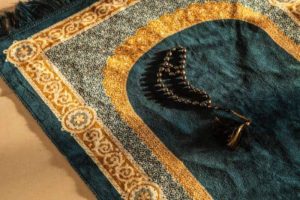
One should recite tasbeeh-e-Faatimi after every salaah i.e. 33 times Suhbaanallah, 33 times Alhamdulillah, 34 times Allahu Akbar. عن كعب بن عجرة رضي الله عنه عن رسول الله صلى الله عليه وسلم قال معقبات لا يخيب قائلهن أو فاعلهن دبر كل صلاة مكتوبة ثلاث وثلاثون تسبيحة وثلاث وثلاثون تحميدة وأربع وثلاثون تكبيرة (مسلم …
user
March, 2018
-
7 March
The Forefathers of Rasulullah (sallallahu ‘alaihi wasallam) – Part Seven

‘Abdul Muttalib His name was Shaybatul Hamd and he was incredibly handsome. A poet describes his beauty thus: على شيبة الحمد الذي كان وجهه يضيئ ظلام الليل كالقمر البدري “Like the luminance of the fourteenth moon, Shaybatul Hamd’s face brightens the darkness of the night.” ‘Abdul Muttalib literally means “the …
-
7 March
The Forefathers of Rasulullah (sallallahu ‘alaihi wasallam) – Part Six

Haashim (continued) During the days of Haj, Haashim would feed all the hujjaaj (pilgrims) with meat, bread, saweeq and dates and would also provide them with Zam Zam water. He would make similar provisions for them at Mina, Muzdalifah and ‘Arafaat. Umayyah bin ‘Abdu Shams was very upset over Haashim’s …
-
7 March
Importance of Blessings in one’s Wealth

Hazrat Mufti Ebrahim Salejee (Daamat Barakaatuhu) mentioned: There is no harm in asking Allah Ta‘ala to grant one an abundance of wealth. However, together with that, one should beseech Allah Ta’ala to grant Him His special grace and barakah (divine blessings). In this way, the wealth he receives will be …
-
7 March
Teaching People Good Deeds but Forgetting Oneself

عن جندب بن عبد الله الأزدي رضي الله عنه صاحب النبي صلى الله عليه و سلم عن رسول الله صلى الله عليه و سلم قال مثل الذي يعلم الناس الخير وينسى نفسه كمثل السراج يضيء للناس ويحرق نفسه الحديث رواه الطبراني في الكبير وإسناده حسن إن شاء الله تعالى (الترغيب …
-
5 March
The Forefathers of Rasulullah (sallallahu ‘alaihi wasallam) – Part Five

Haashim (continued) Haashim was the first to initiate the custom of sending off two trade caravans a year; one to Syria in summer and another to Yemen in winter. According to this unvarying custom, a caravan would set out in every season of the year. These caravans would travel in …
-
5 March
The Humility of Rasulullah (sallallahu alaihi wasallam)

عن عائشة قالت سئلت ما كان رسول الله صلى الله عليه وسلم يعمل في بيته قالت كان بشرا من البشر يفلي ثوبه ويحلب شاته ويخدم نفسه (مسند أحمد رقم 26194) Hazrat Aaisha (Radhiyallahu Anha) was once asked: “What would Rasulullah (sallallahu alaihi wasallam) do within the home?” She replied: “He …
-
3 March
Hazrat ‘Uthmaan (radhiyallahu ‘anhu) – Part Six

Islam: (Continuing from Part Five) Hazrat ‘Uthmaan (radhiyallahu ‘anhu) continued: I then left my aunt. Her statements had left an impression on my heart and I continued to ponder over what she had said. I would sometimes associate with Hazrat Abu Bakr (radhiyallahu ‘anhu) and sit with him. After Monday …
-
1 March
The Forefathers of Rasulullah (sallallahu ‘alaihi wasallam) – Part Four

Haashim Imaam Maalik (rahimahullah) and Imaam Shaafi‘ee (rahimahullah) say that Haashim’s actual name was ‘Amr. There was once a severe drought in Makkah during which Haashim fed the people bread crushed into gravy. This is why he was given the title “Haashim” (The one who crushes). As a poet says: …
-
1 March
The Forefathers of Rasulullah (sallallahu ‘alaihi wasallam) – Part Three
Ka‘b In the pre-Islamic era, Ka‘b bin Luwayy would, on a weekly basis, gather all the people on the day of Friday. After all the people had assembled, he would deliver a sermon which he would commence by praising Allah Ta‘ala and explaining that Allah Ta‘ala had created the skies, …