 Ihyaaud Deen An Effort to Revive Deen in Totality
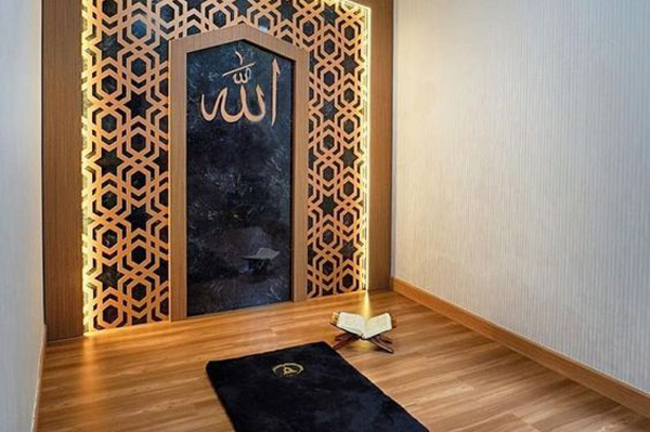
When standing up from ruku’, one should say the tasmee’:
سَمِعَ اللهُ لِمَنْ حَمِدَهْ
Allah Ta’ala hears the one who praises Him
Thereafter, one should recite the tahmeed:
اَللَّهُمَّ رَبَّنَا وَلَكَ الْحَمْد
O Allah, our Lord, for You alone is all praise.
One may also recite:
رَبَّنَا لَكَ الْحَمْد
Our Lord, for You alone is all praise.
عن أبي هريرة رضي الله عنه قال كان النبي صلى الله عليه وسلم إذا قال سمع الله لمن حمده قال اللهم ربنا ولك الحمد (صحيح البخاري، الرقم: 795)
Hazrat Abu Hurairah (radhiyallahu anhu) reports that Rasulullah (sallallahu alaihi wasallam) would recite سَمِعَ اللهُ لِمَنْ حَمِدَهْ, and thereafter he would recite اَللَّهُمَّ رَبَّنَا وَلَكَ الْحَمْد.
عن أبي هريرة رضي الله عنه قال كان رسول الله صلى الله عليه وسلم إذا قام إلى الصلاة يكبر حين يقوم ثم يكبر حين يركع ثم يقول سمع الله لمن حمده حين يرفع صلبه من الركعة ثم يقول وهو قائم ربنا لك الحمد (صحيح البخاري، الرقم: 789)
Hazrat Abu Hurairah (radhiyallahu anhu) reports that when Rasulullah (sallallahu alaihi wasallam) would stand up for salaah, he would recite the takbeer while standing. Thereafter, he would recite the takbeer when going into ruku. Thereafter, he would recite سَمِعَ اللهُ لِمَنْ حَمِدَهْ when raising his back from ruku. Thereafter, he would recite رَبَّنَا لَكَ الْحَمْد while standing up erect.
One may also recite the following dua in qaumah when one is performing sunnats or nawaafil salaah. However, if the imaam delays in qaumah, then one may also recite it in one’s fardh salaah:
Duaa One:
رَبَّنَا وَلَكَ الحَمْدُ حَمْدًا كَثِيرًا طَيِّبًا مُبَارَكًا فِيهِ
Our Lord, for You alone is all praise, such praises that are plentiful, pure and full of blessings
عن رفاعة بن رافع الزرقي، قال: كنا يوما نصلي وراء النبي صلى الله عليه وسلم، فلما رفع رأسه من الركعة قال: سمع الله لمن حمده، قال رجل وراءه: ربنا ولك الحمد حمدا كثيرا طيبا مباركا فيه، فلما انصرف، قال: من المتكلم قال: أنا، قال: رأيت بضعة وثلاثين ملكا يبتدرونها أيهم يكتبها أول (صحيح البخاري، الرقم: 799)
Hazrat Rifaa’ah bin Raafi (radhiyallahu anhu) says, “We once performed salaah behind Rasulullah (sallallahu alaihi wasallam). When he raised his head from ruku, he recited سَمِعَ اللهُ لِمَنْ حَمِدَهْ. A person behind him (in the congregation) then said:
رَبَّنَا وَلَكَ الحَمْدُ حَمْدًا كَثِيرًا طَيِّبًا مُبَارَكًا فِيهِ
After completing the salaah, Rasulullah (sallallahu alaihi wasallam) turned (to the Sahaabah) and asked, “Who among you had spoken during the salaah (i.e. who had recited the dua)?” The person responded saying, “I was the person.” Rasulullah (sallallahu alaihi wasallam) then said, “I had seen over thirty angels rushing (to take the great rewards of the dua which you had recited), each one competing with the other in regard to who will record it first.”
Duaa Two:
رَبَّنَا لَكَ الْحَمْدُ مِلْءَ السَّمَاوَاتِ وَالْأَرْضِ، وَمِلْءَ مَا شِئْتَ مِنْ شَيْءٍ بَعْدُ، أَهْلُ الثَّنَاءِ وَالْمَجْدِ، أَحَقُّ مَا قَالَ الْعَبْدُ، وَكُلُّنَا لَكَ عَبْدٌ: اللهُمَّ لَا مَانِعَ لِمَا أَعْطَيْتَ، وَلَا مُعْطِيَ لِمَا مَنَعْتَ، وَلَا يَنْفَعُ ذَا الْجَدِّ مِنْكَ الْجَدُّ
Our Lord, for You alone is all praise, such praise that fills the heavens and the earth, and such praise that fills whatever You wish thereafter. You are deserving of all praise and greatness. The most truthful statement that a slave can make – and we are all Your slaves – O Allah, there is none to prevent that which You bestow, and there is none to grant that which You prevent, and the wealth (and property) of the one who possesses wealth will not benefit him (without Your permission).
عن أبي سعيد الخدري، قال: كان رسول الله صلى الله عليه وسلم إذا رفع رأسه من الركوع قال: ربنا لك الحمد ملء السماوات والأرض، وملء ما شئت من شيء بعد، أهل الثناء والمجد، أحق ما قال العبد، وكلنا لك عبد: اللهم لا مانع لما أعطيت، ولا معطي لما منعت، ولا ينفع ذا الجد منك الجد (صحيح مسلم، الرقم: 477)
Hazrat Abu Sa’eed Khudri (radhiyallahu anhu) reports that Rasulullah (sallallahu alaihi wasallam) would recite the following dua when he would lift his head from ruku:
رَبَّنَا لَكَ الْحَمْدُ مِلْءَ السَّمَاوَاتِ وَالْأَرْضِ، وَمِلْءَ مَا شِئْتَ مِنْ شَيْءٍ بَعْدُ، أَهْلَ الثَّنَاءِ وَالْمَجْدِ، أَحَقُّ مَا قَالَ الْعَبْدُ، وَكُلُّنَا لَكَ عَبْدٌ: اللهُمَّ لَا مَانِعَ لِمَا أَعْطَيْتَ، وَلَا مُعْطِيَ لِمَا مَنَعْتَ، وَلَا يَنْفَعُ ذَا الْجَدِّ مِنْكَ الْجَدُّ
Duaa Three:
اللهُمَّ لَكَ الْحَمْدُ مِلْءَ السَّمَاوَاتِ وَمِلْءَ الْأَرْضِ وَمِلْءَ مَا شِئْتَ مِنْ شَيْءٍ بَعْدُ اللهُمَّ طَهِّرْنِي بِالثَّلْجِ وَالْبَرَدِ، وَالْمَاءِ الْبَارِدِ اللهُمَّ طَهِّرْنِي مِنَ الذُّنُوبِ وَالْخَطَايَا كَمَا يُنَقَّى الثَّوْبُ الْأَبْيَضُ مِنَ الْوَسَخِ
Our Lord, for You alone is all praise, such praise that fills the heavens and the earth, and such praise that fills whatever You wish thereafter. O Allah, purify me (from my sins) with snow, hail and cold water. O Allah, purify me from my sins and mistakes as a white garment is cleansed from dirt.
عن ابن أبي أوفى، قال: كان رسول الله صلى الله عليه وسلم، إذا رفع ظهره من الركوع قال: سمع الله لمن حمده، اللهم ربنا لك الحمد، ملء السماوات، وملء الأرض وملء ما شئت من شيء بعد (وزاد في حديث مجزأة بن زاهر في آخره) اللهم طهرني بالثلج والبرد، والماء البارد اللهم طهرني من الذنوب والخطايا، كما ينقى الثوب الأبيض من الوسخ (صحيح مسلم، الرقم: 476)
Hazrat ibnu Abi Awfaa (radhiyallahu anhu) reports that Rasulullah (sallallahu alaihi wasallam) would recite سَمِعَ اللهُ لِمَنْ حَمِدَهْ when raising his back from ruku. Thereafter, he would recite the following dua:
اللهُمَّ لَكَ الْحَمْدُ مِلْءَ السَّمَاوَاتِ وَمِلْءَ الْأَرْضِ وَمِلْءَ مَا شِئْتَ مِنْ شَيْءٍ بَعْدُ اللهُمَّ طَهِّرْنِي بِالثَّلْجِ وَالْبَرَدِ، وَالْمَاءِ الْبَارِدِ اللهُمَّ طَهِّرْنِي مِنَ الذُّنُوبِ وَالْخَطَايَا كَمَا يُنَقَّى الثَّوْبُ الْأَبْيَضُ مِنَ الْوَسَخِ
Duaa Four:
اللَّهُمَّ رَبَّنَا لَكَ الْحَمْدُ مِلْءَ السَّمَاوَاتِ وَمِلْءَ الْأَرْضِ وَمِلْءَ مَا بَيْنَهُمَا وَمِلْءَ مَا شِئْتَ مِنْ شَيْءٍ بَعْدُ، أَهْلُ الثَّنَاءِ وَأَهْلُ الْكِبْرِيَاءِ وَالْمَجْدِ لَا مَانِعَ لِمَا أَعْطَيْتَ وَلَا يَنْفَعُ ذَا الْجَدِّ مِنْكَ الْجَدُّ
O Allah, our Lord, for You alone is all praise, such praise that fills the heavens and the earth, such praise that fills what is between them, and such praise that fills whatever You wish thereafter. You are deserving of all praise and You are deserving of all honour and greatness. There is none to prevent that which You bestow, and the wealth (and property) of the one who possesses wealth will not benefit him (without Your permission).
عن عبد الله بن مسعود عن النبي صلى الله عليه وسلم أنه كان إذا قال: سمع الله لمن حمده قال: اللهم ربنا لك الحمد ملء السماوات وملء الأرض وملء ما بينهما وملء ما شئت من شيء بعد، أهل الثناء وأهل الكبرياء والمجد لا مانع لما أعطيت ولا ينفع ذا الجد منك الجد رواه الطبراني في الكبير من طرق ومنها طريق رجالها رجال الصحيح إلا أن فيها أشعث بن سوار واختلف في الاحتجاج به، وفي بقية الطرق محمد بن أبي ليلى وفيه كلام (مجمع الزوائد، الرقم: 2741)
Hazrat Abdullah bin Masood (radhiyallahu anhu) reports that when Rasulullah (sallallahu alaihi wasallam) would recite سَمِعَ اللهُ لِمَنْ حَمِدَهْ (when rising from ruku), he would then recite the following dua:
اللَّهُمَّ رَبَّنَا لَكَ الْحَمْدُ مِلْءَ السَّمَاوَاتِ وَمِلْءَ الْأَرْضِ وَمِلْءَ مَا بَيْنَهُمَا وَمِلْءَ مَا شِئْتَ مِنْ شَيْءٍ بَعْدُ، أَهْلُ الثَّنَاءِ وَأَهْلُ الْكِبْرِيَاءِ وَالْمَجْدِ لَا مَانِعَ لِمَا أَعْطَيْتَ وَلَا يَنْفَعُ ذَا الْجَدِّ مِنْكَ الْجَدُّ